Micksay: The Bold Serif Font for Standout Craft Products
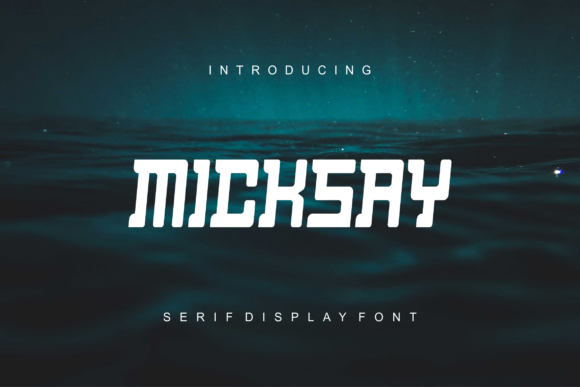
When you are designing handmade goods, the typography you choose does more than just convey a message; it sets the entire tone of your brand. For years, I have searched for a typeface that balances classic elegance with a modern, confident edge. That search led me to Micksay, a bold serif font that has quickly become my go-to choice for everything from product labels to wedding invitations. Its thick, strong letters give text an immediate presence, making it perfect for projects where you need the words to stand out without shouting.
As a seller of physical products and digital downloads, I know that readability and aesthetic appeal must work together seamlessly. Micksay delivers exactly that. It is not just another decorative display font; it is a versatile design asset that elevates the perceived quality of any item it touches. Whether you are crafting custom candle jars, creating SVG files for Cricut users, or designing boutique packaging, this serif font provides the structural strength needed to make your designs look professional and polished.
Elevating Handmade Labels and Product Packaging
One of the most critical aspects of selling handmade items is how they look on the shelf. A flimsy label can make a high-quality product feel cheap, but the right font can instantly communicate value. Micksay excels in this area because its bold weight ensures legibility even at smaller sizes. When I design labels for my own line of soaps and candles, I use Micksay for the product name and key descriptors. The thick strokes create a sense of authority and reliability, which customers subconsciously associate with premium quality.
The versatility of this serif font makes it ideal for various packaging applications. Imagine a set of artisanal coffee bags or holiday gift boxes featuring the Micksay typeface. The strong serifs add a touch of tradition and craftsmanship, suggesting that the contents inside were made with care. For product tags attached to clothing or accessories, Micksay offers a clean, modern look that pairs beautifully with natural textures like kraft paper or linen. It transforms a simple tag into a statement piece that reinforces your brand identity.
Creating Impactful Invitations and Stationery
In the world of stationery and event planning, first impressions are everything. Wedding invitations, birthday cards, and party signs require a font that feels special yet remains easy to read. Micksay brings a classic confidence to these projects that generic fonts often lack. Its bold structure works exceptionally well for titles, headings, and names, drawing the eye immediately to the most important information.
I frequently pair Micksay with a delicate script font to create a balanced composition for wedding welcome boards and seating charts. The contrast between the strong, blocky serif letters of Micksay and the flowing, handwritten style of a partner script creates a dynamic visual hierarchy. This combination allows you to highlight the couple's names or the event date while keeping the logistical details clear and accessible. For printable wall art and planner pages, the clarity of Micksay ensures that text remains sharp when printed on standard home printers or large format machines.
Practical Applications for Digital and Physical Crafts
- Seasonal Signs: Use Micksay for farmhouse-style decor or holiday banners. The bold lines cut through busy backgrounds, making the message clear whether it is hanging on a front door or displayed in a shop window.
- Mug and T-Shirt Designs: When printing on merchandise, you need fonts that hold up well against fabric curves or ceramic surfaces. The thick strokes of Micksay prevent ink bleeding issues and ensure the design looks crisp after washing.
- Boutique Tags: Create cohesive branding for small business owners by using Micksay on hang tags. It conveys a sense of established trust, which is vital for new boutiques trying to build a loyal customer base.
- Digital Templates: For sellers offering Canva templates or digital planners, including Micksay as a primary header font adds a layer of sophistication that buyers appreciate.
Optimizing for Cutting Machines and Small Formats
For crafters who use cutting machines like Silhouette or Cricut, the technical details of a font matter just as much as its style. Thin, intricate fonts can sometimes break during the weeding process or fail to adhere properly to small vinyl stickers. Micksay avoids these pitfalls with its substantial letterforms. The robust serifs and wide spacing make it easier to weed excess material and apply decals cleanly to water bottles, laptops, or car windows.
However, even with a bold font, there are limits to readability. When designing small stickers or fine print on product packaging, it is crucial to test your mockups before going to production. While Micksay is excellent for short phrases, names, and titles, it is generally less suitable for long paragraphs of body text due to its heavy visual weight. Reserve it for headlines and emphasis points, and let lighter weights handle the detailed descriptions. This approach keeps your designs balanced and prevents them from looking too dense or overwhelming.
Mastering Font Pairing for Brand Identity
A strong brand identity relies on consistency and harmony. Since Micksay is such a dominant display font, pairing it correctly is essential for a professional look. Because it is a serif font with a modern twist, it pairs naturally with clean sans serif fonts for secondary information. For example, using a geometric sans serif for address details or ingredient lists creates a sophisticated contrast that highlights the boldness of Micksay.
Alternatively, if your project leans towards a romantic or rustic theme, combining Micksay with a cursive or handwritten font can yield stunning results. The rigid structure of the serif anchors the design, preventing the script from becoming illegible. This technique is particularly effective for logo design, where you might want the main brand name in Micksay and a tagline in a softer script. By mixing these elements, you create a unique visual language that distinguishes your products from mass-market competitors.
Licensing and Commercial Use Considerations
Before integrating Micksay into your commercial projects, it is vital to review the specific licensing terms provided by the font creator. As a seller, you likely plan to use the font for physical products, printables, SVG files, and client work. Most commercial licenses allow for these uses, but some may restrict the number of end-products or require additional fees for unlimited usage. Always verify if the license covers digital downloads, merchandise, and client deliverables to avoid any legal complications later.
Checking the included styles, alternates, and ligatures is also part of the preparation process. If Micksay comes with a variety of weights or swashes, exploring these options can add depth to your designs without needing multiple font files. Ensuring multilingual support is available is another practical step if you plan to sell internationally. By taking these precautions, you ensure that your creative workflow remains smooth and legally sound.
Ultimately, Micksay is more than just a typeface; it is a tool that helps creators tell their story with clarity and confidence. Whether you are labeling a jar of homemade jam or designing a full suite of wedding stationery, its bold, classic character ensures your work stands out in a crowded marketplace. For anyone looking to elevate their craft business with a font that combines strength and style, Micksay is a worthy addition to your collection of design assets.